Attic fire restoration in San Pedro: what to expect
Attic fire restoration in San Pedro usually takes 2 to 6 weeks and runs $4,500 to $28,000 in 2026. Here is the exact process, timeline, and insurance path.
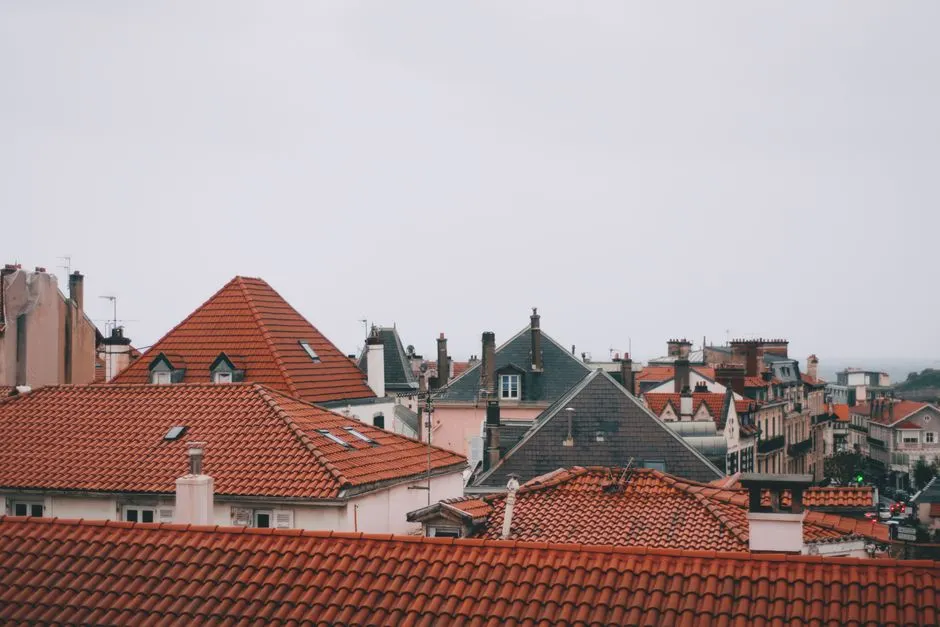
Attic fire restoration in San Pedro, California usually takes 2 to 6 weeks and costs between $4,500 and $28,000 in 2026, depending on how far the fire traveled and how much smoke pushed down into the living space. The work itself is straightforward: stop the source, dry the structure, remove charred material, neutralize smoke residue, and rebuild. What surprises most homeowners is how much of the damage happens below the roofline.
We are Fire Damage Restoration Harbor City, and attic fires are one of the calls we run most often in this corner of the South Bay. This post walks you through the whole sequence - what we do first, what it costs, how long it takes, and how your insurance claim actually moves.
Why attic fires in San Pedro are different
Attic fires in San Pedro behave differently from attic fires inland because of the marine layer, the age of the housing stock, and the way these homes were wired. The morning fog that rolls over the Palos Verdes foothills keeps attic wood and insulation damp for long stretches of the year, then the afternoon sun bakes it dry. That wet-dry cycle warps rafters and loosens old knob-and-tube splices.
Most of the homes we work on between Western Avenue and the harbor were built between 1920 and 1965. Many still have the original attic wiring, and a lot of them have had insulation blown in on top of it. When a splice fails, the insulation smolders before it flames - which means the fire can burn for 20 to 40 minutes before anyone smells smoke.
That slow start is why attic fires here so often get classified as "confined" when they are anything but. The heat has already cooked the roof deck and driven soot into the HVAC return before the fire department arrives.
What happens during attic fire restoration in San Pedro, California
Attic fire restoration in San Pedro, California is a six-stage process that starts with securing the roof and ends with a clearance test on the air inside your home. Here is the order we run it in, and why the order matters.
1. Emergency board-up and roof tarp
Firefighting water and ventilation cuts leave the roof open to the weather. We tarp and board within the first few hours so the next marine layer does not soak your ceiling drywall. This stage usually takes 2 to 4 hours.
2. Structural assessment
We map char depth on every rafter, check the ridge beam, and test the ceiling joists for heat damage. Anything charred more than one-quarter inch deep gets sistered or replaced. This is also where we confirm whether the fire reached the wall cavities - in older San Pedro homes, balloon-frame construction lets fire travel from the attic straight down to the foundation.
3. Water extraction and structural drying
Attic fires almost always come with 50 to 200 gallons of firefighting water sitting in the ceiling insulation. We pull the wet insulation, extract standing water, and set drying equipment until the wood moisture content drops below 16 percent. Skipping this step is the number-one cause of mold problems three weeks later.
4. Soot and smoke removal
Soot is acidic and etches metal, glass, and finished surfaces within 72 hours. We use dry chemical sponges on framing, HEPA vacuums on cavities, and wet cleaning on the living-space ceilings below. If the fire pushed smoke into the HVAC system, the ductwork gets cleaned or replaced - otherwise every time the heat kicks on, you re-smell the fire.
5. Odor neutralization
Smoke odor lives in porous material: insulation, drywall paper, wood framing. Thermal fogging and hydroxyl generators break down the odor molecules at the source. We run this for 24 to 72 hours depending on how deep the smoke penetrated.
6. Reconstruction and clearance
New insulation, drywall, roofing, and paint go back in. Before we hand the house back, we run an air quality check to confirm the smoke residue is gone.
If the fire started at a wiring splice or a failed outlet, the electrical side of the job runs alongside the restoration. You can read more about how we handle that work under electrical fire cleanup HARBOR CITY California.
How long does attic fire restoration take in San Pedro?
Attic fire restoration in San Pedro takes 2 to 6 weeks for most homes, with a small fire confined to one corner of the attic finishing closer to 10 to 14 days and a fire that reached the living space running 8 weeks or more. The timeline breaks down roughly like this:
- Days 1-2: board-up, tarp, water extraction, initial assessment
- Days 3-7: structural drying (4 to 5 days on average in coastal humidity)
- Days 5-10: soot and smoke removal, duct cleaning
- Days 7-12: odor neutralization
- Weeks 2-6: reconstruction - framing, insulation, drywall, roofing, paint
Two things stretch that schedule. The first is permit timing with the City of Los Angeles Department of Building and Safety, which typically adds 5 to 15 business days for structural work. The second is material lead time on roofing that matches the existing shingle - older San Pedro roofs often have a profile that is no longer stocked, so we order early.
If you need the work started tonight rather than next week, our 24 hour fire restoration HARBOR CITY California crew is on call around the clock.
How much does attic fire restoration cost in San Pedro, California?
Attic fire restoration in San Pedro, California runs $4,500 to $28,000 in 2026, with the median job landing around $11,000. The spread is wide because the cost driver is not the fire itself - it is how much of the house the smoke reached.
Here is how the numbers break down for a typical 1,400-square-foot San Pedro bungalow:
- Minor fire, attic only: $4,500-$8,000 (tarp, insulation removal, soot cleaning, odor treatment, partial re-roof)
- Moderate fire, smoke in living space: $9,000-$18,000 (adds ceiling drywall, duct cleaning, interior cleaning, paint)
- Major fire, structural damage: $18,000-$28,000+ (adds rafter replacement, wall cavity work, full HVAC, extended reconstruction)
Three line items catch homeowners off guard. Insulation replacement alone runs $1,200 to $3,500 because everything that touched smoke has to go. Duct cleaning or replacement adds $800 to $2,500. And odor treatment on a house with original plaster walls takes longer and costs more than on drywall, because plaster holds smoke residue deeper.
We give you the full price before we start, and we do not add line items mid-job without telling you first.
Does insurance cover attic fire restoration in San Pedro, California?
Yes - standard California homeowners policies cover attic fire restoration, including the water damage from firefighting, as long as the fire was accidental. Your dwelling coverage (Coverage A) pays for the structure, and your personal property coverage (Coverage C) pays for contents. Loss of use (Coverage D) covers a hotel if the house is not livable.
The part most people do not know: California requires insurers to offer at least 12 months of additional living expenses, and many policies here extend to 24 months. Use it. Attic fires routinely run past the 6-week mark once permits are in play.
What we do on your behalf:
- Document the damage with photos and moisture readings before anything is moved
- Provide a line-item estimate in the format your adjuster expects
- Meet the adjuster on site so nothing gets missed
- Bill the work directly to the carrier where your policy allows it
Two things to watch. First, if the fire was caused by old wiring you knew was failing, the carrier may push back - document when you first noticed the problem. Second, do not throw anything out before the adjuster sees it. We photograph everything first.
For homes in the older blocks near the harbor, we also check for the kind of deferred maintenance that turns a small claim into a dispute. Our team covering Fire Damage Restoration in San Pedro handles these claims every month.
Common mistakes we see after attic fires
The most common mistake after an attic fire is treating it as a roofing problem instead of a whole-house smoke problem. Here is what we see go wrong, and how to avoid it.
- Painting over soot. Soot bleeds through latex paint within weeks. The surface has to be sealed with a shellac-based primer first.
- Skipping the HVAC. If the return duct pulled smoke, every room in the house gets re-contaminated the first time the heat runs.
- Reusing insulation. Fiberglass that has been exposed to smoke cannot be cleaned. It has to go.
- Waiting on the roofer. A tarp is not a roof. If the deck stays wet for two weeks, you are looking at mold remediation on top of fire restoration.
- Not testing the air. A house can smell clean and still have smoke residue in the dust. We test before we call the job done.
If you are dealing with a fire that started in the kitchen and spread upward, the same rules apply - our kitchen fire cleanup HARBOR CITY California team handles the vertical smoke path the same way.
When to call a professional
Call a professional the moment the fire department clears the scene, even if the fire looked small. Attic fires hide in insulation and wall cavities, and the damage you can see is usually about a third of the damage that is there.
If you are smelling smoke in rooms far from the attic, if your ceiling has a water stain, or if the fire burned anywhere near the HVAC return, that is a restoration job, not a cleanup job. Fire Damage Restoration Harbor City handles attic fires across the South Bay and can be on site the same day.
One more thing: if you are a renter rather than an owner, the process is different - your landlord's policy covers the structure and yours covers contents. We work both sides. Details are on our tenant fire damage cleanup HARBOR CITY California page.
Frequently Asked Questions
What happens during attic fire restoration in San Pedro, California?
Attic fire restoration in San Pedro starts with board-up and roof tarping, then moves through structural assessment, water extraction, structural drying, soot and smoke removal, odor neutralization, and reconstruction. The full sequence runs 2 to 6 weeks, with the first 48 hours focused on stopping further damage.
How much does attic fire restoration cost in San Pedro, California?
Typical 2026 pricing in San Pedro runs $4,500 to $28,000, with a median around $11,000. Minor attic-only fires land near the low end; fires that pushed smoke into the living space or damaged rafters land near the high end. Insurance usually covers most of it.
How long does attic fire restoration take in San Pedro, California?
Most attic fire restoration jobs in San Pedro take 2 to 6 weeks. Structural drying alone takes 4 to 5 days in coastal humidity, and permit review with the City of Los Angeles adds 5 to 15 business days. Larger fires that reach the living space can run 8 weeks.
Can attic fire damage be repaired in San Pedro?
Yes. Almost all attic fire damage is repairable - charred rafters get sistered or replaced, smoke-damaged insulation is removed, and the roof and ceiling are rebuilt. The only cases where repair is not practical are when the fire compromised the load-bearing structure beyond the ridge beam.
Does insurance cover attic fire restoration in San Pedro, California?
Yes, standard California homeowners policies cover accidental attic fires, including firefighting water damage. Dwelling coverage pays for the structure, personal property coverage pays for contents, and loss of use covers a hotel. We document the damage and bill the carrier directly where your policy allows.
Get help with Fire Damage Restoration in HARBOR CITY
If you are standing in a house that smells like smoke and you are not sure where to start, call us. We will tell you what needs to happen first, what it will cost, and how your insurance claim should move.
Reach Fire Damage Restoration Harbor City at (833) 929-6186 - we answer around the clock.